
Why Putting Off Septic Repairs Can Cost Thousands
For most homeowners, the plumbing system is a classic case of out of sight, out of mind. As long as water flows from the faucets and toilets flush without issue, it is easy to assume everything is working perfectly beneath the surface. However, a significant portion of your property’s plumbing relies heavily on an underground waste management system that requires regular attention and care. Neglecting this crucial infrastructure can quickly lead to severe structural, environmental, and financial consequences that disrupt your daily life.
When minor performance issues develop within your system, ignoring them will not make them disappear. In fact, delaying necessary septic repairs is one of the most expensive mistakes a property owner can make. Small, inexpensive fixes can quickly balloon into catastrophic system failures that require complete component replacements. Understanding how these systems fail and why proactive maintenance is essential can save you stressful headaches and thousands of dollars in emergency plumbing bills.
The Real Cost of Delayed Septic Repairs
A poorly maintained waste system does not break down overnight; it typically gives off subtle warning signs before completely failing. Homeowners often overlook slow-draining sinks, gurgling pipes, or slight odors coming from the yard, assuming they are minor inconveniences. Unfortunately, these symptoms indicate that pressure is building within the system and components are beginning to struggle. Proactive septic repairs at this stage are relatively simple, often involving minor pipe clearing or component adjustments.
If you choose to ignore these initial warning signs, the damage will quickly spread to other parts of your property. Backed-up wastewater can reverse course and flood your home’s lowest levels, destroying flooring, drywall, and valuable belongings. The cost of professional water damage restoration combined with emergency plumbing services far exceeds the price of an early repair. Taking care of issues immediately ensures your home remains safe, clean, and structurally sound.
How Minor System Component Failures Escalate
The Drainfield is Vulnerable to Solid Waste
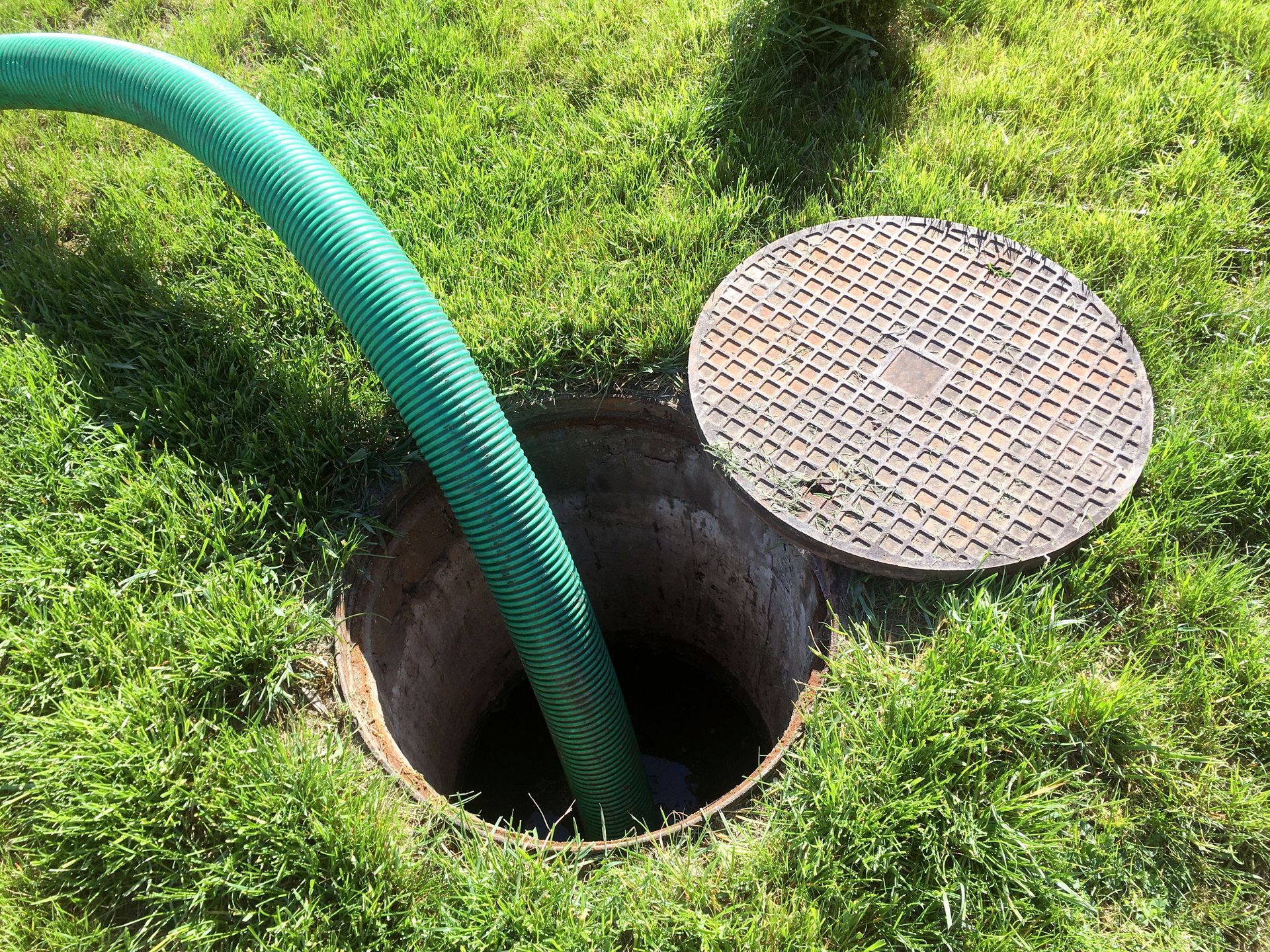
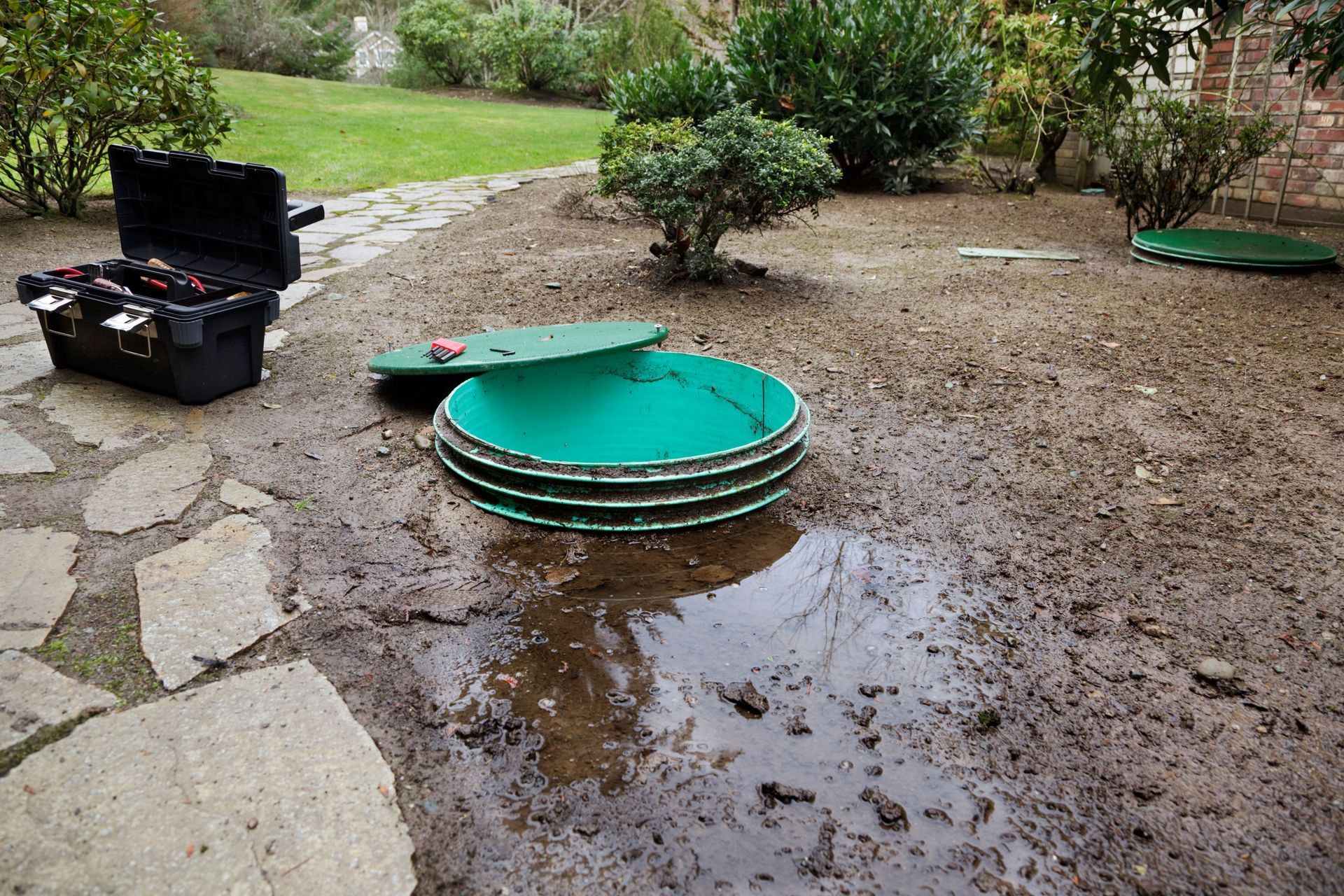
The drainfield is a network of perforated pipes buried in trenches filled with gravel or sand, designed to filter wastewater naturally into the soil. When your tank is working correctly, solid waste settles at the bottom while only liquid effluent flows into the drainfield. However, if the tank is neglected, solid waste can escape into the drainage area and completely clog the soil. Once the surrounding ground becomes entirely saturated with solids, the liquid can no longer filter downward, causing wastewater to pool on the surface of your lawn.
Fixing a completely failed or clogged drainfield is one of the most labor-intensive and costly procedures in the industry. It often requires extensive excavation, soil remediation, and the installation of completely new perforated lines. Addressing tank issues early prevents solids from migrating into these delicate lines, preserving the longevity of your drainage area. Regular inspections keep solids where they belong, protecting your land from messy and expensive failures.
The Financial Burden of Total System Replacement
While a simple component fix might cost a few hundred dollars, a complete system replacement can easily reach five figures. This extensive process requires professional excavation, heavy machinery, soil testing, permits, and specialized labor to ensure environmental compliance. Homeowners who consistently delay minor septic repairs often find themselves facing total system collapse much sooner than expected. Investing in routine professional maintenance is a small price to pay to avoid the sudden, overwhelming expense of a complete replacement.
Additionally, an active plumbing failure can drastically reduce the market value of your property if you decide to sell. Buyers are incredibly cautious about purchasing homes with compromised waste systems, as they do not want to inherit costly construction projects. In many states, you are legally required to disclose the condition of your waste management system during a real estate transaction. Keeping your system in peak condition protects your daily comfort while simultaneously securing your long-term property investments.
The Environmental and Health Hazards of Waste Leaks
Contaminating Local Soil and Water Supplies
Untreated sewage contains an incredibly high concentration of harmful pathogens, bacteria, and synthetic chemicals from household products. When a system leaks due to damaged walls or cracked pipes, these hazardous materials seep directly into the surrounding soil. This contamination poses a severe health risk to your family, your pets, and any local wildlife utilizing your yard.
The danger becomes even more critical if your property or your neighbors rely on private well water for daily consumption. Saturated ground can allow untreated sewage to penetrate deep aquifers, contaminating the local drinking water supply with dangerous coliform bacteria. Testing and treating a contaminated well is a complicated, lengthy process that leaves your household without clean water. Ensuring your storage tank is structurally sound is an environmental responsibility that directly impacts the health of your community.
Legal Liabilities and Regulatory Compliance
Environmental protection agencies and local health departments enforce strict regulations regarding wastewater management and public safety. Property owners who allow raw sewage to leak into the environment can face severe municipal fines and legal liabilities. If contaminated runoff migrates onto a neighboring property or into a public waterway, you could be held legally responsible for the cleanup costs. Addressing structural damage immediately protects you from costly legal disputes and regulatory penalties.
Furthermore, local regulations often require specific certified professionals to handle all major plumbing modifications and system fixes. Trying to patch a structural crack yourself without the proper licensing can lead to further fines and voided property insurance policies. Relying on certified technicians ensures that all work complies with current environmental codes and structural safety standards. Keeping your system compliant keeps your local community safe and keeps your bank account protected from avoidable government penalties.
Essential Preventive Maintenance Strategies
The Importance of Routine Tank Pumping
The most effective way to prevent the need for emergency septic repairs is to stick to a strict, professional pumping schedule. Over time, the accumulation of solid sludge and floating scum reduces the functional holding capacity of your underground tank. According to This Old House, most 1,000-gallon septic tanks serving a family of four require pumping every 3 to 5 years. Skipping this vital service guarantees that solids will eventually overflow into your delicate drainfield lines, causing widespread operational failure.
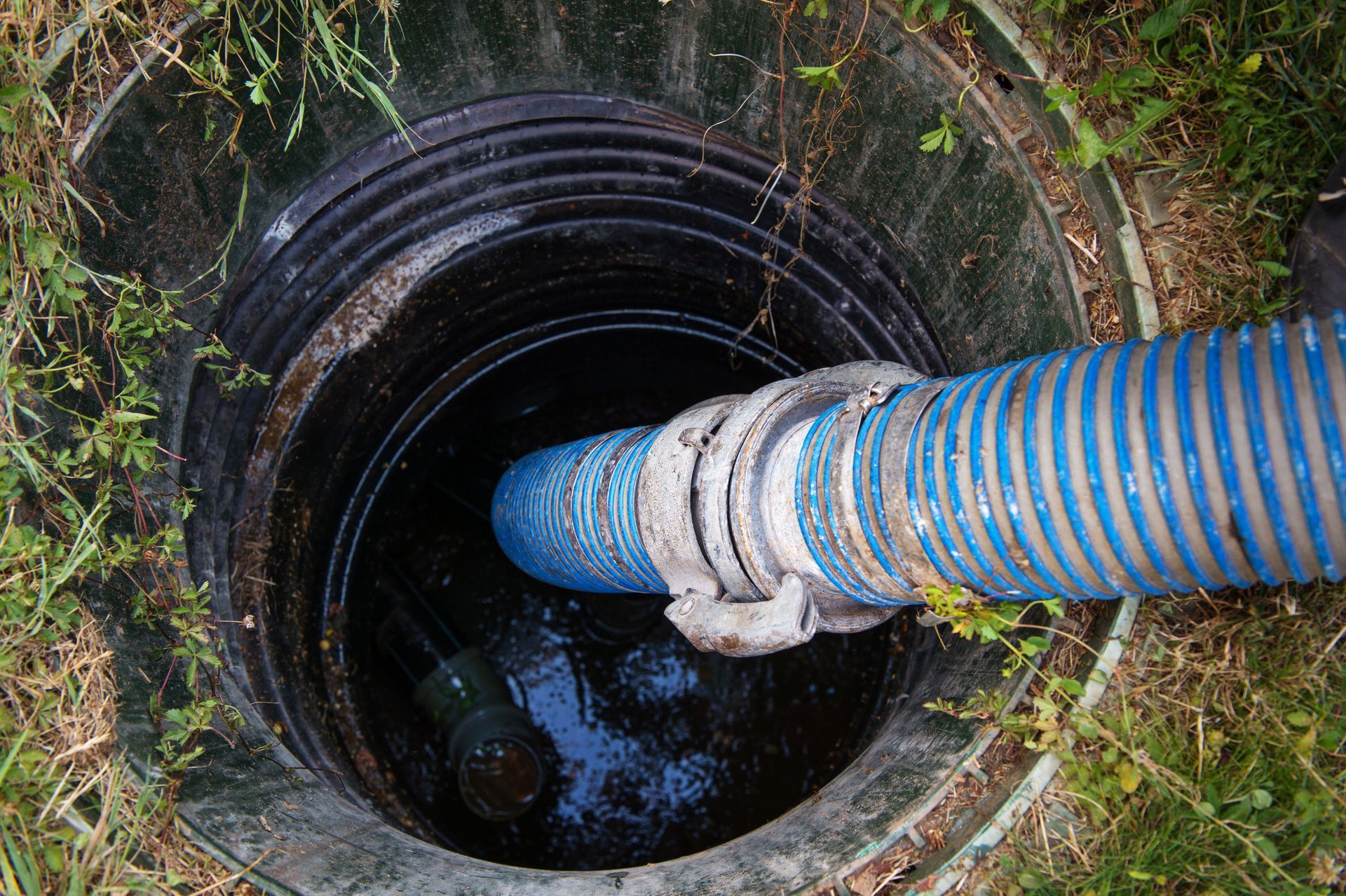
Professional pumping completely removes the accumulated layers of heavy sludge, giving your system a clean slate to operate efficiently. During the pumping process, a technician can also look inside the tank to check for signs of structural deterioration or cracks. This allows you to catch minor issues before they cause noticeable problems inside your home or out in your yard. Consistent pumping is the absolute foundation of reliable, long-term waste system performance.
Protecting your home from the devastating consequences of an underground utility failure requires consistent vigilance and professional support. While it is easy to ignore your waste management system when it functions properly, delaying necessary septic repairs always leads to higher financial burdens and extensive property damage. Investing in minor fixes early ensures that your system functions efficiently and safely without disrupting your family's daily routine.
Partnering with certified professionals for routine inspections and regular pumping remains the most dependable strategy for maximizing the lifespan of your infrastructure. By practicing mindful water conservation and addressing plumbing warning signs immediately, you safeguard both your bank account and the surrounding environment. Taking a proactive approach to system maintenance delivers long-term security, preserves your property's market value, and ensures lasting peace of mind.
Share On: