

Warning Signs Your Septic System Needs Repairs
A septic system works largely out of sight, which makes it easy to overlook until something begins to go wrong. When the system is functioning properly, wastewater moves away from the home, solids are contained and processed within the tank, and treated wastewater is dispersed into the surrounding soil. Problems can develop gradually, however, and the earliest warning signs may appear inside the home, around the drain field, or near the septic tank itself.
Recognizing those changes early can help property owners arrange an evaluation before a developing issue becomes more disruptive. Some symptoms may have causes unrelated to the septic system, but recurring drainage problems, unusual odors, or changes in the condition of the property should not be ignored. A professional providing local septic repair can inspect the system, determine what is causing the symptoms, and identify an appropriate course of action.
Notice Drains Becoming Consistently Slower
A single slow drain may be related to a localized plumbing problem, but several drains becoming sluggish at the same time can point to a broader wastewater issue. Sinks, tubs, and showers may take noticeably longer to empty, while toilets may seem less responsive when flushed. When these changes occur throughout a property rather than in one isolated fixture, the septic system may need closer attention.
Slow drainage can develop when wastewater is no longer moving through the system efficiently. The underlying cause could involve the tank, connecting pipes, or another component responsible for transporting or processing wastewater. Because several different problems can produce similar symptoms, a professional assessment is important before determining whether local septic repair is necessary.
Notice Toilets Becoming Difficult to Flush
Changes in toilet performance can provide another indication that wastewater is not moving normally. A toilet may flush sluggishly, require more time for the bowl to clear, or seem to struggle even when there is no obvious obstruction. When the same behavior affects multiple toilets, the issue may extend beyond an individual fixture.
A septic system depends on an unobstructed path for wastewater to leave the building and enter the tank. Conditions affecting that flow can create noticeable changes in plumbing performance. A professional can evaluate whether the problem originates within household plumbing or farther along in the septic system.
Persistent flushing problems deserve particular attention when they occur alongside slow drains, odors, or unusual sounds. The combination of several symptoms can provide a clearer picture of a developing system issue. Rather than relying on temporary fixes, an inspection can determine whether local septic repair is appropriate and which component requires attention.
Notice Plumbing Sounds Becoming More Frequent
Gurgling and bubbling noises from plumbing fixtures can sometimes occur when air and wastewater are moving irregularly through drain lines. These sounds may come from toilets, sinks, tubs, or other fixtures and can become especially noticeable when water is being used elsewhere in the home.
The location and timing of the sounds can help professionals narrow down possible causes. For example, widespread gurgling may suggest a different concern than a sound limited to one fixture. A qualified provider of local septic repair can assess the broader system instead of treating the noise as an isolated symptom, helping determine whether the septic tank, piping, or another component is contributing to the problem.
Notice Sewage Odors Becoming More Noticeable
A properly functioning septic system should contain and manage wastewater without creating persistent sewage odors around the property. Strong or recurring smells inside the home, near the tank, or around the drain field can therefore signal a condition that deserves professional evaluation.
Odors may become noticeable when gases or wastewater are escaping where they normally should not. Because septic systems contain biological waste and gases, persistent smells should be treated as more than an inconvenience. The source needs to be identified so the underlying condition can be addressed appropriately.
The exact location of the odor can provide useful diagnostic information. Smells concentrated around plumbing fixtures may point professionals toward one area, while odors outdoors near septic components may suggest another. An inspection for local septic repair can help distinguish between septic-related conditions and other plumbing or drainage concerns that may create similar odors.
Notice Wastewater Backups Becoming More Common
Wastewater backing up into a sink, tub, shower, floor drain, or toilet is among the more serious signs that a drainage or septic problem may be developing. A backup means wastewater is not traveling through its intended path normally, and continued water use may worsen the situation.
Backups can also create sanitation concerns because wastewater may contain contaminants. Areas affected by sewage should be handled carefully, and the source of the problem should be professionally assessed. Even if wastewater eventually recedes, the underlying condition may remain and cause another backup later.
Recurring backups are especially important to investigate because they can indicate restrictions or failures affecting wastewater movement. A professional performing local septic repair can evaluate septic components as well as the connections between the home and the system. Determining where normal flow has been interrupted is essential to selecting an appropriate repair rather than simply addressing the visible result.
Notice Drain Field Conditions Becoming Unusual
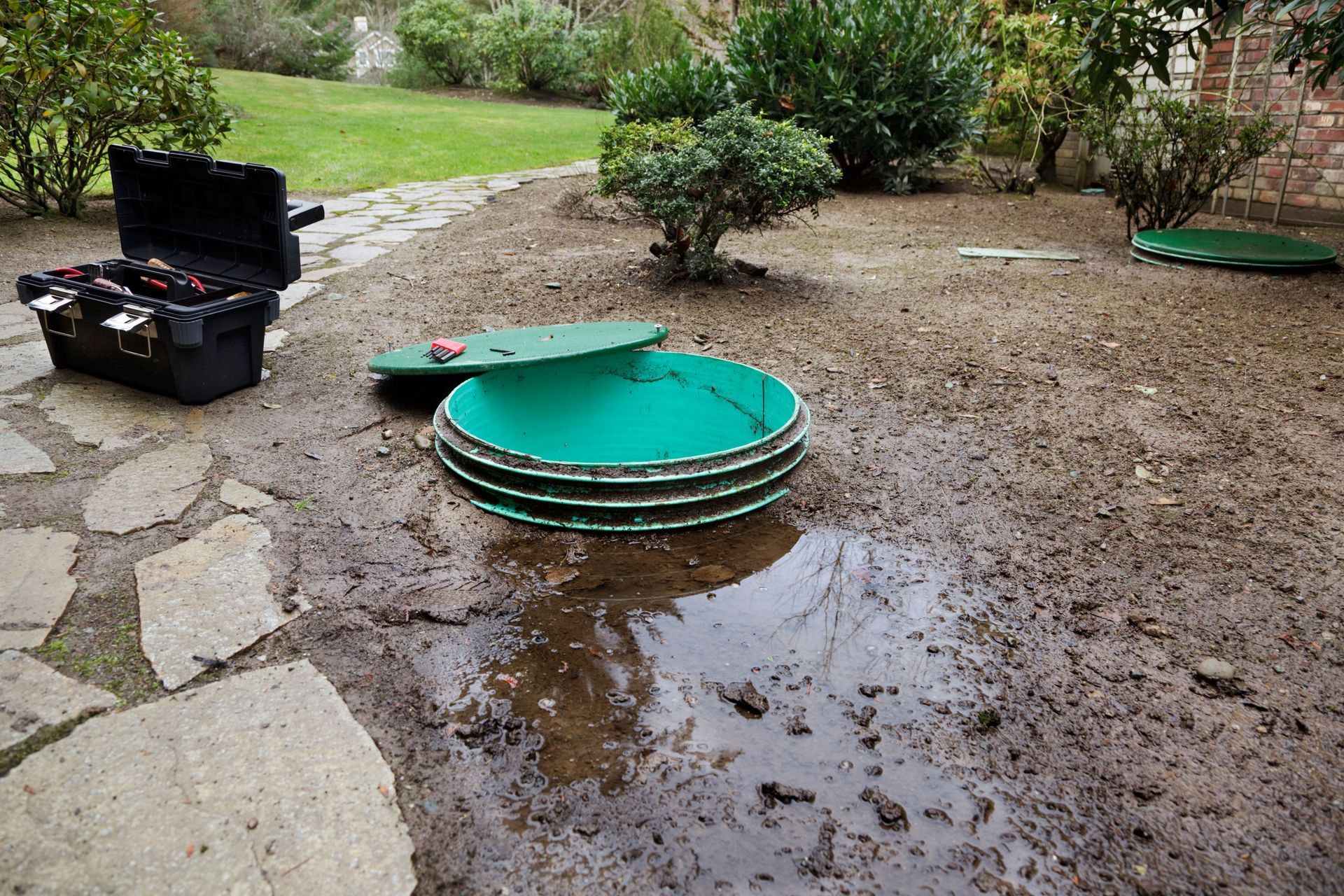
The drain field plays an important role in dispersing wastewater after it leaves the septic tank. Changes in this part of the property can provide visible clues that something is happening below the surface. Persistently soggy soil, standing water, or unusually lush vegetation around the drain field may warrant further investigation.
Healthy grass alone does not indicate a septic problem, and weather conditions can obviously affect soil moisture. The concern is a noticeable change that appears concentrated around septic components without another clear explanation. Wastewater reaching the surface or saturating soil improperly may indicate that the system is not processing or dispersing effluent as intended.
Property owners should avoid assuming that an unusual patch of ground identifies the exact failure. Septic systems involve interconnected components, and surface symptoms can have different underlying causes. An evaluation for local septic repair can determine whether conditions around the drain field are related to the septic system and what type of professional intervention may be needed.
Notice System Performance Becoming Less Reliable
A septic system may also show broader signs of declining performance even when no single symptom appears severe. Drainage may become inconsistent, odors may appear intermittently, or plumbing problems may seem to disappear and return. This pattern can be easy to dismiss, particularly when the system continues functioning most of the time.
Age and maintenance history can provide important context when evaluating these changes. According to Today’s Homeowner, septic systems generally have a service life of 15 to 40 years, though regular maintenance can allow many systems to remain functional beyond that range. Age alone does not determine whether a system requires replacement or repair, but older components combined with recurring symptoms can justify a thorough professional assessment.
Changes in household use, soil conditions, system components, and maintenance history can all affect septic performance. A technician providing local septic repair can examine these factors together rather than relying on one symptom. This broader approach can help identify developing problems before system performance deteriorates further.
Recognize Septic Problems Becoming Harder to Ignore
Septic problems do not always begin with an obvious failure. They may first appear as slower drains, unusual plumbing noises, inconsistent toilet performance, recurring odors, wastewater backups, changes around the drain field, or a general decline in reliability. Paying attention to patterns is important because several minor symptoms occurring together may reveal more than any one symptom by itself.
Professional evaluation is particularly valuable because many septic symptoms overlap with conventional plumbing problems. Identifying the actual source helps avoid unnecessary work and ensures that attention is directed toward the component responsible for the issue. Timely local septic repair may also help prevent a developing condition from creating additional disruption elsewhere in the wastewater system.
When septic warning signs begin affecting your property, professional evaluation can clarify what is happening and what repairs may be appropriate. At JH Wilson Construction, we can assess septic concerns, help identify the source of system problems, and discuss suitable solutions based on the condition of the property. Contact us to learn more about our septic services and arrange an evaluation when your system begins showing signs that professional attention may be needed.
Share On: