
How Professional Septic Tank Installation Prevents Future Backups
A septic system plays an essential role in managing household wastewater, especially for properties that are not connected to a municipal sewer network. When the system is designed or installed incorrectly, homeowners may experience slow drains, unpleasant odors, sewage backups, and costly property damage. Professional septic tank installations help reduce these risks by accounting for site conditions, household wastewater demands, and the requirements of the entire drainage system. Investing in proper installation from the beginning can support dependable wastewater management and help prevent avoidable problems in the years ahead.
Evaluating Property Conditions
Successful septic system installation begins with understanding the property where the system will operate. Soil composition, groundwater levels, slope, drainage patterns, and available space can all influence how wastewater moves through the system. If these factors are overlooked, the installation may struggle to process wastewater effectively or experience problems during periods of heavy rainfall.
Professional contractors evaluate site conditions before determining the appropriate system layout. Septic tank installations benefit from this planning because the tank and associated components must work with the property's natural characteristics. A thorough assessment helps identify potential limitations early, allowing the installation plan to address drainage concerns before they contribute to future backups.
Selecting Appropriate Tank Capacity
A septic tank must accommodate the wastewater generated by the household without becoming overwhelmed by normal daily use. Household size, plumbing fixtures, occupancy patterns, and anticipated water consumption can all influence the system's capacity requirements. An undersized tank may require more frequent pumping and can contribute to operational problems when wastewater enters faster than the system can manage it.
Professional installers evaluate expected wastewater demand when selecting a tank. Properly planned septic tank installations account for the property's needs rather than relying on a standard size for every home. This helps establish a system capable of handling routine wastewater flows while supporting the treatment process that occurs within the tank.
Establishing Proper Tank Placement
Tank placement affects accessibility, drainage, and the relationship between the septic system and the home's plumbing. Installing a tank in an unsuitable location can complicate maintenance, interfere with other property features, or create problems with wastewater movement. The location must also account for applicable setbacks and site requirements.
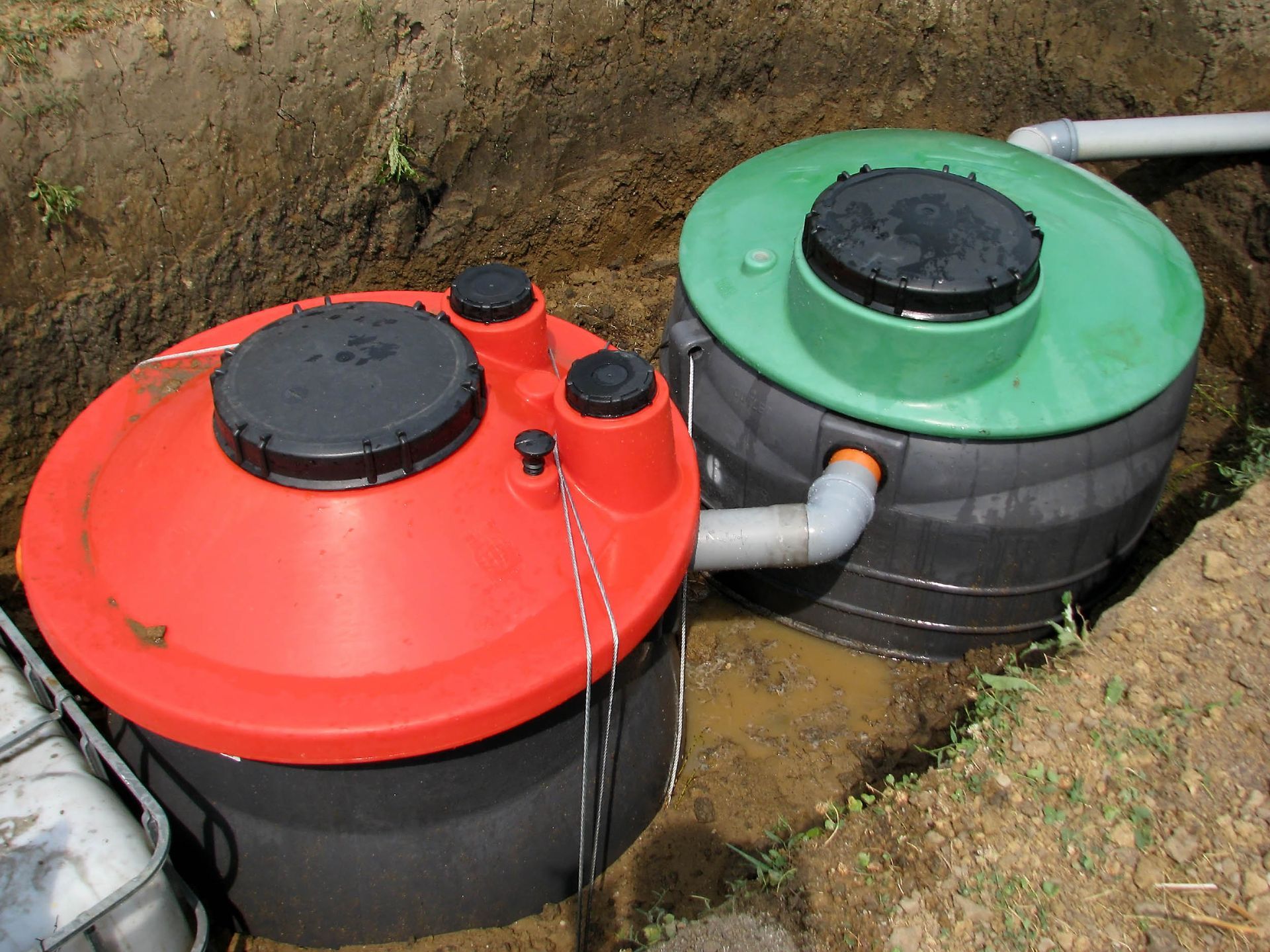
Experienced contractors consider these factors before excavation begins. They coordinate the tank's position with the home's sewer line, the planned drainfield, and the surrounding property. Professional septic tank installations use this coordinated approach to support effective wastewater flow and maintain reasonable access for future inspections and servicing.
Maintaining Correct Pipe Connections
A septic system depends on connected pipes that carry wastewater from the home into the tank and then direct treated effluent toward the next stage of the system. Poorly aligned pipes, unsuitable slopes, damaged connections, or inadequate sealing can interfere with that movement. These issues may contribute to blockages, leaks, or backups that affect household plumbing.
Professional installation focuses on creating reliable connections throughout the system. Contractors account for pipe alignment, flow direction, and the relationship between the tank and the building's drainage network. When septic tank installations are completed with attention to these details, wastewater has a properly planned route through the system, reducing the likelihood of problems caused by faulty connections.
Protecting Drainfield Performance
The drainfield is a critical part of a conventional septic system because it allows wastewater effluent to disperse into suitable soil for further treatment. If the drainfield becomes saturated, improperly installed, or poorly matched to site conditions, wastewater may not move away from the tank as intended. This can lead to sewage surfacing in the yard, persistent odors, and backups inside the home.
Professional contractors assess the soil and available area when planning the drainfield. They also consider how the tank will connect to it and how the system will respond to typical wastewater loads. Well-planned septic tank installations support the drainfield's role in the overall process, helping prevent problems associated with poor placement or inadequate system design.
Preventing Excessive System Strain
Septic systems work best when their components are appropriately matched to household wastewater demands. Excessive water use, inappropriate materials entering the drains, and poorly planned plumbing connections can place additional strain on the system. Although installation cannot prevent every future problem, a properly designed system provides a stronger foundation for normal operation.
Contractors can account for anticipated household use and identify design considerations that may affect performance. Septic tank installations should also allow for the expected flow from bathrooms, kitchens, laundry areas, and other wastewater-producing fixtures. By considering these demands before the system is built, professionals can help reduce the risk of a design that struggles under ordinary household conditions.
Reducing the Risk of Soil and Water Intrusion
Groundwater and surface water can interfere with septic system performance when the tank or surrounding components are improperly installed. Poorly sealed connections, unsuitable placement, or drainage issues may allow unwanted water to enter the system. Excess water can increase the volume that the tank and drainfield must handle, potentially contributing to hydraulic overload and backups.
Professional contractors evaluate site drainage and install components according to the system's specifications and applicable requirements. Septic tank installations must account for the surrounding environment as well as the wastewater leaving the home. Proper placement and connection details help reduce preventable intrusion risks and support the system's intended operation.
Supporting Long-Term System Durability
Septic tanks and their associated components are intended to operate for many years, but their service life depends on material quality, installation conditions, usage, and maintenance. According to Today's Homeowner, most septic systems last approximately 15 to 40 years, although some continue functioning beyond that range when they receive regular maintenance. This makes installation quality and ongoing care important considerations for homeowners planning a long-term wastewater solution.
Professional contractors can help homeowners select suitable components and establish a system that fits the property. Septic tank installations completed with attention to structural support, pipe connections, and drainage conditions provide a sound starting point for long-term performance. Although no installation can eliminate the need for maintenance, careful workmanship can help reduce avoidable problems as the system ages.
Simplifying Future Inspection and Maintenance
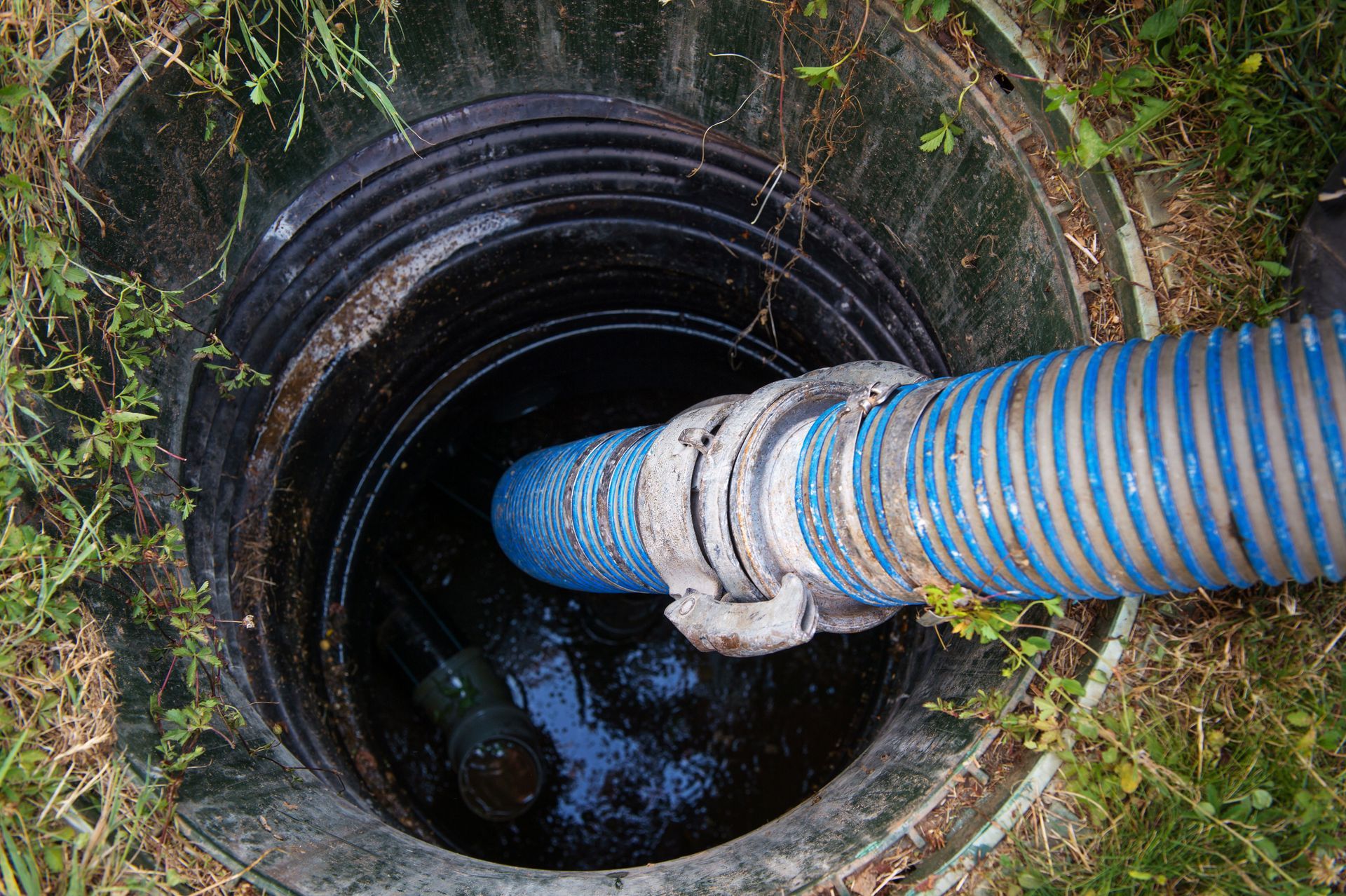
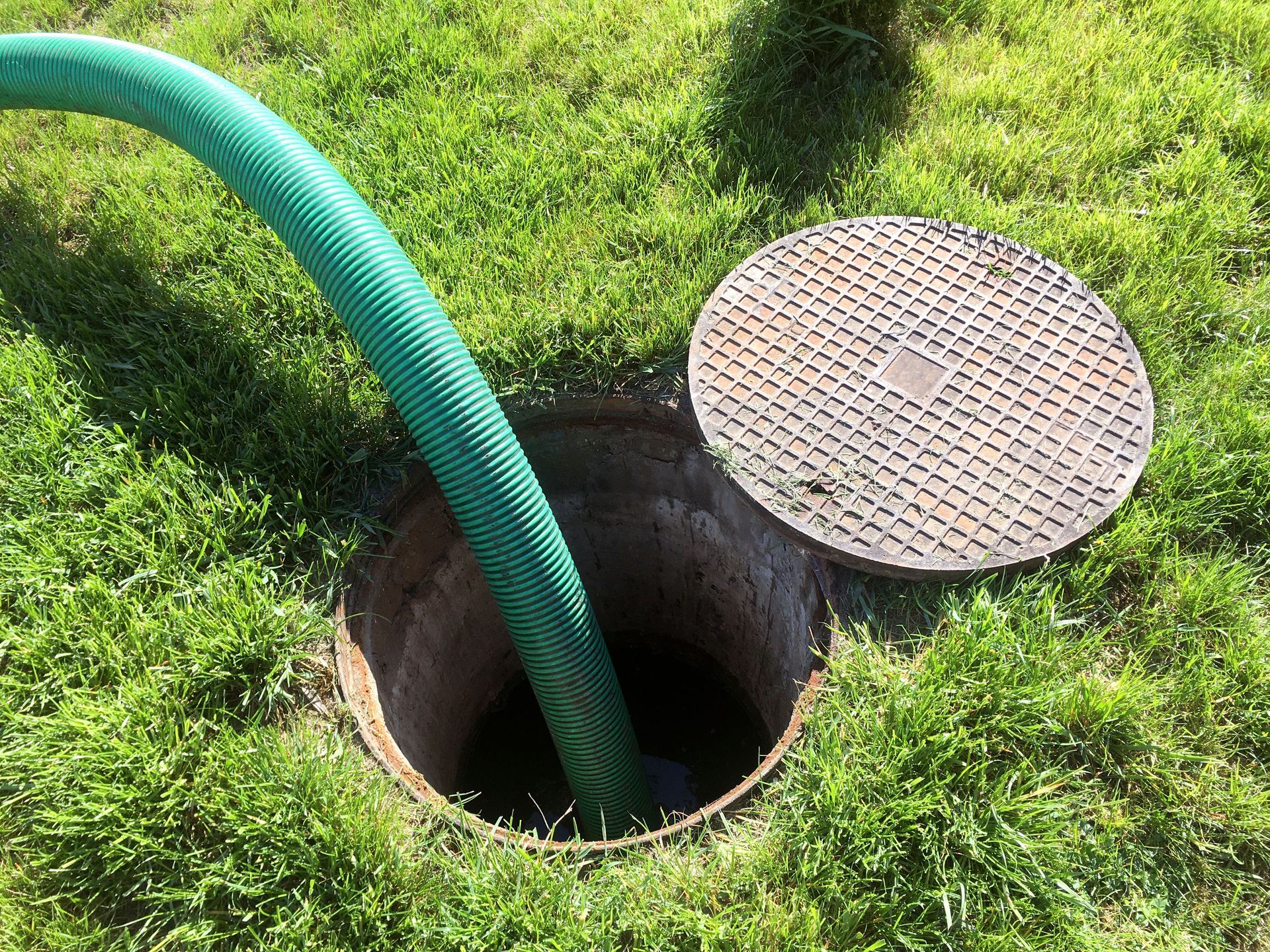
Even a well-installed septic system requires periodic inspection and appropriate maintenance. Tanks accumulate solids that eventually need to be removed, and components may require attention as the system ages. If access points are difficult to reach or the layout is poorly documented, routine service can become more complicated than necessary.
Professional installers can consider future service needs when planning the tank location and access points.
Septic tank installations should allow qualified service providers to inspect and maintain important components without unnecessary disruption to the property. Accessible, well-organized systems make it easier for homeowners to keep up with recommended maintenance and address developing concerns before they contribute to a backup.
Preventing septic backups starts with a system designed around the property, the household's wastewater needs, and the conditions that influence drainage. Proper tank sizing, suitable placement, reliable pipe connections, and a correctly planned drainfield all contribute to effective operation. Professional installation cannot prevent every possible issue, but it can reduce risks associated with poor design and workmanship while creating a foundation for long-term service.
At JH Wilson Construction, we help property owners plan septic system projects with attention to site conditions, system requirements, and long-term functionality. Our team can evaluate your property's needs and coordinate an installation approach designed to support dependable wastewater management. Contact JH Wilson Construction to discuss your septic project and take the next step toward a properly installed system built for your property.
Share On: